The fifty-fourth temple is Enmei-ji (延命寺), the first temple of the Imabari district, enshrining a crowned Fudō Myōō.
It lies about 3.4 km from the fifty-fifth temple, in the city of Imabari.
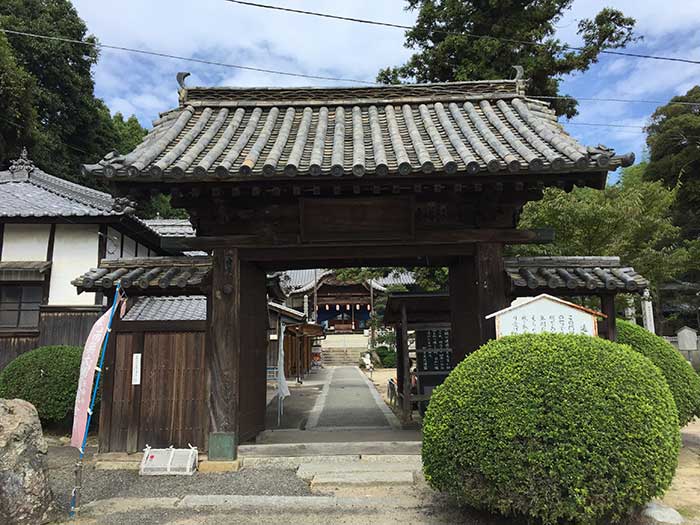
This is the entrance gate of Enmei-ji, no different in form from a typical Japanese temple gate. The pruning of the garden trees, though, is beautifully done.
That careful tending speaks to the quiet pride taken in the grounds.
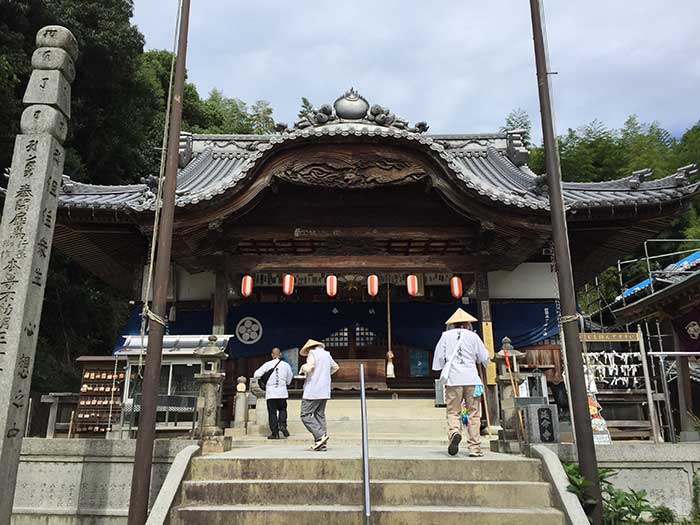
This is the main hall, where Fudō Myōō is enshrined. Being a town temple, it is easy to reach, and many pilgrims come to worship.
I offered incense and recited the sutra before the fierce, protective Buddha.
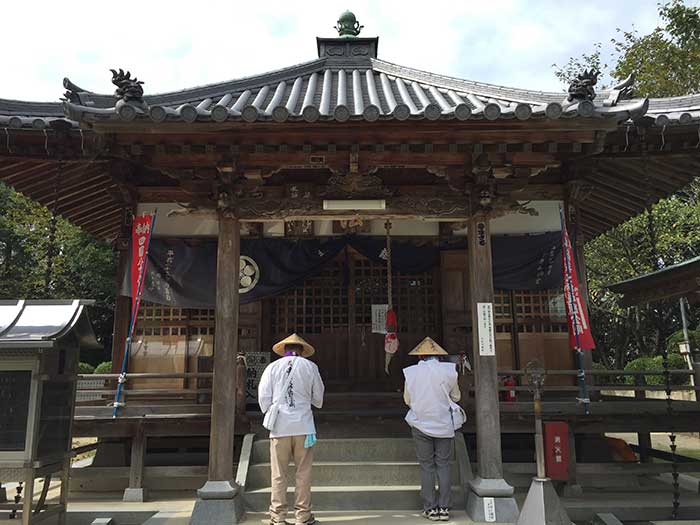
Next is the Daishi-dō. Chanting the sutra with other pilgrims, I prayed for safe travels and for peace in the world — wondering, as ever, whether the wish reaches the Buddha.
Doubt and faith walk side by side on a long pilgrimage.
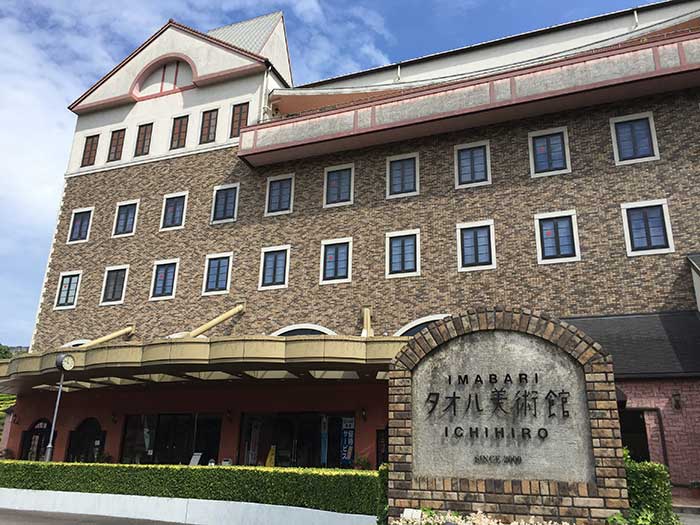
Near Enmei-ji stands the Imabari Towel Museum, the most famous of its kind in Japan.
Imabari has long been the country’s foremost producer of fine towels.
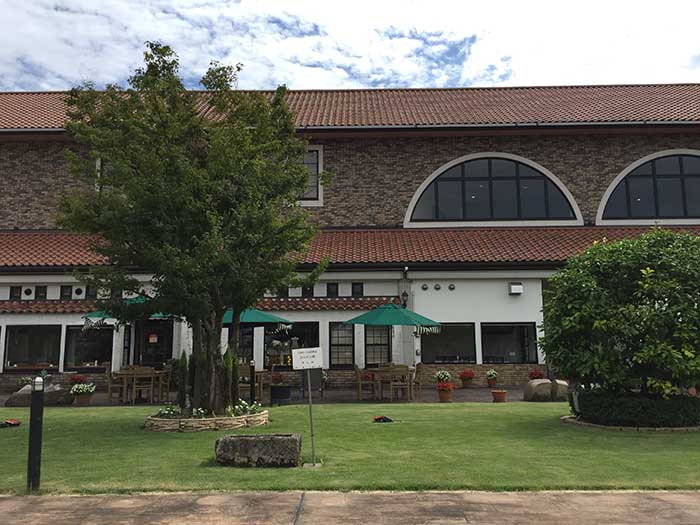
The museum has a handsome, almost European look to its architecture.
It makes an unexpected and pleasant contrast with the temples nearby.
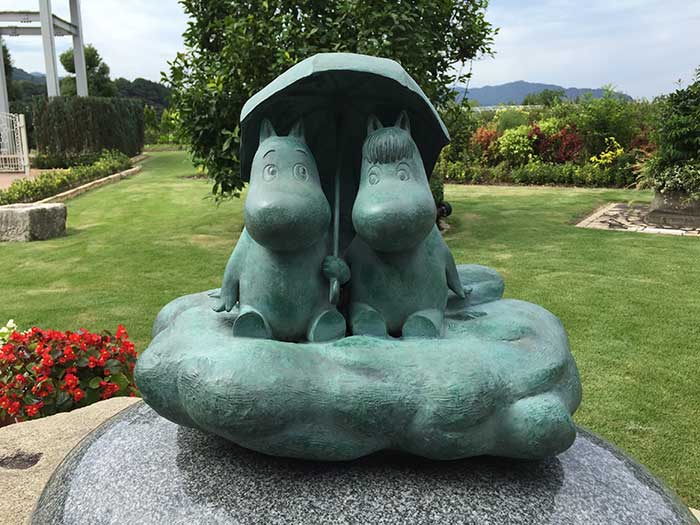
The museum even has a collaboration with the Moomin characters.
It is a charming, light-hearted detour from the solemnity of the route.
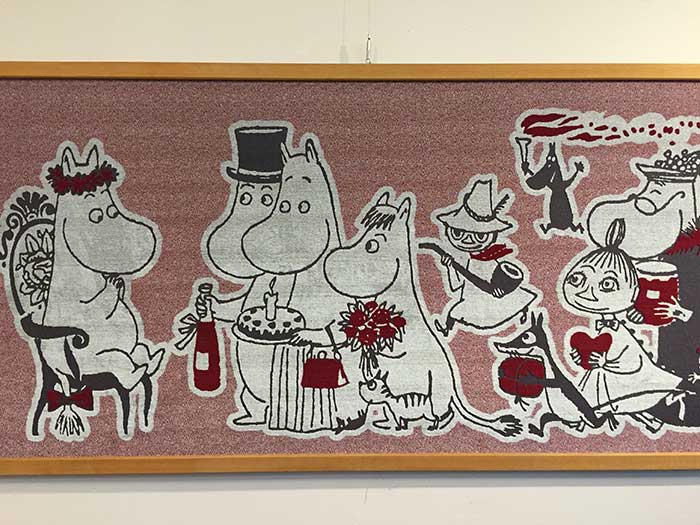
What looks like a painting on the wall turns out, on a closer look, to be made entirely of towels — pure art.
The craft and ingenuity of it are genuinely impressive.
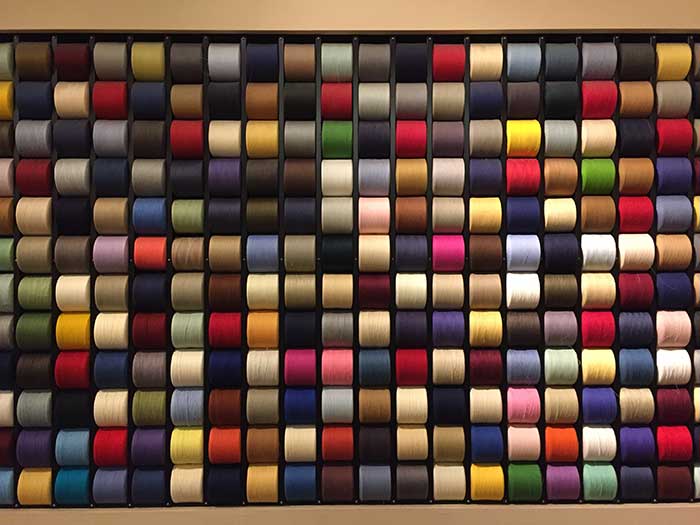
The threads used to weave the towels are wonderfully colourful too, and you cannot help but be charmed by them.
Such everyday craftsmanship, raised to an art, lingers in the memory.
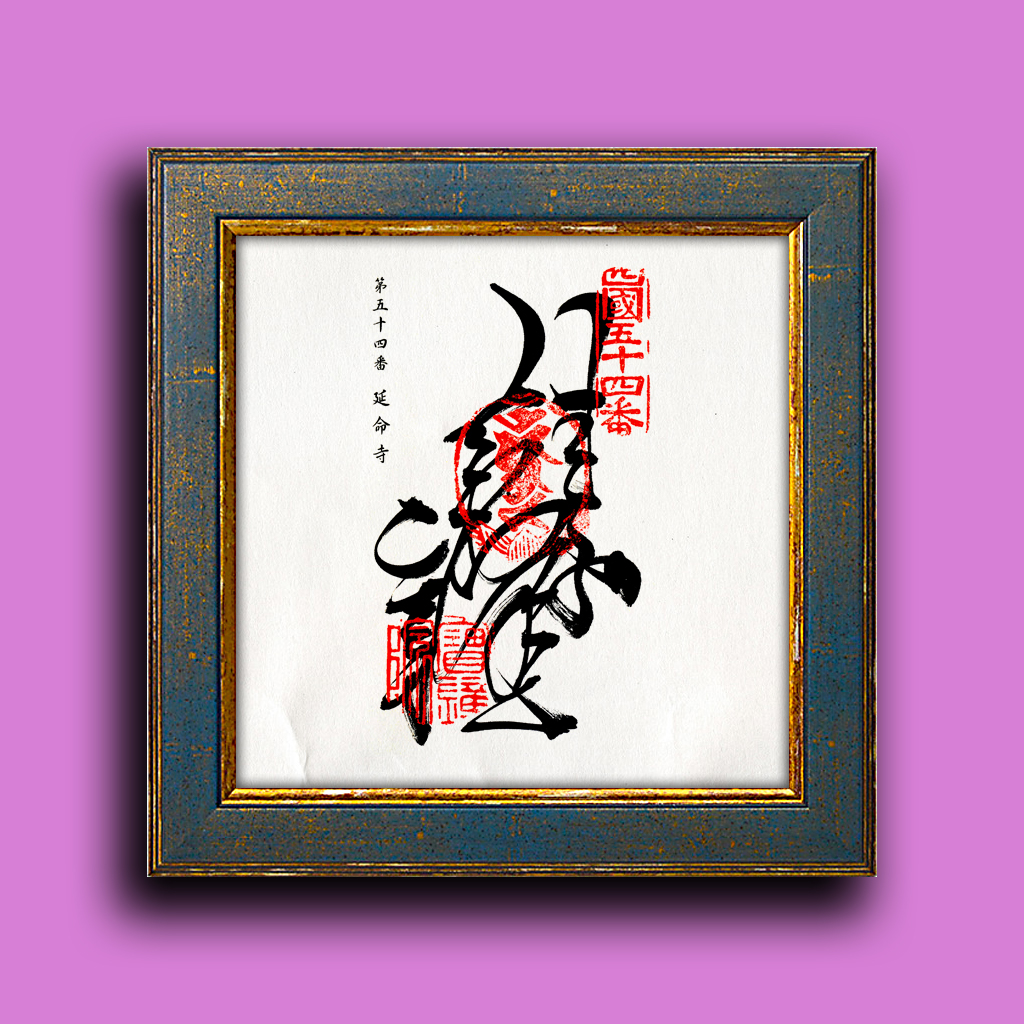
NFT – Crypto Ohenro #35 Goshuin of Enmei-ji(延命寺) –
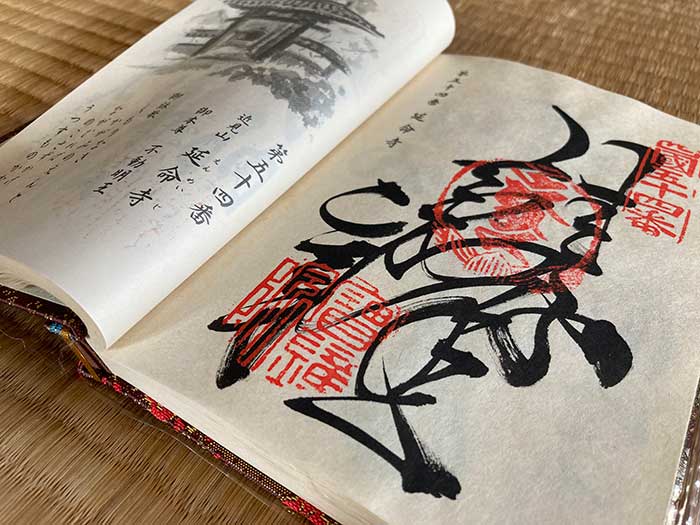
This is the goshuin of the fifty-fourth temple, Enmei-ji. From the flow of the brush alone you can tell it was written by a master of calligraphy.
Fifty-three temples still remained on my journey, here in the towel city of Imabari.
The distance to the next temple was about 34.4 km — a long road behind and ahead.
Frequently Asked Questions
What is the honzon (principal image) of Enmei-ji (Temple 54)?
The honzon (principal image) of Enmei-ji(延命寺), Temple 54 of the Shikoku 88 pilgrimage, is Fudō Myōō(不動明王). It is enshrined in the temple's main hall (hondō), where pilgrims offer incense, recite the Heart Sutra, and receive the temple's goshuin (hand-brushed seal).
Where is Enmei-ji located?
Enmei-ji stands in Imabari, Ehime Prefecture, in the old province of Iyo, on the island of Shikoku, Japan. It is the fifty-fourth of the eighty-eight temples of the Shikoku Henro, the circular Buddhist pilgrimage walked in the path of Kōbō Daishi (Kūkai).
Which Buddhist sect does Enmei-ji belong to?
Enmei-ji belongs to the Shingon Buddhism (Buzan school). Its mountain name (sangō), the traditional honorific title by which the temple is also known, is Chikamizan Hōshō-in(近見山 宝鐘院).
When was Enmei-ji founded?
Enmei-ji was founded by Gyōki in 720, by order of Emperor Shōmu. Its history is closely tied to the early growth of the Shikoku pilgrimage.
Which temple comes after Enmei-ji, and how far is it?
The next temple on the route is Temple 55, Nankōbō (about 3.4 km). Walking in numerical order, pilgrims continue from Enmei-ji to keep visiting each of the 88 temples and collecting their goshuin.
📖 See the full list of all 88 Shikoku temples →
Can’t make the pilgrimage yourself?Ohenro Gift can walk the 88 temples on your behalf (daisan) and deliver the completed nokyocho.