The twenty-first temple is Tairyū-ji (太竜寺), the “Great Dragon Temple,” which enshrines Kokūzō Bosatsu high on its mountainside.
It lies about 11.7 km from the twenty-second temple, set deep among ancient cedar forest near the summit.
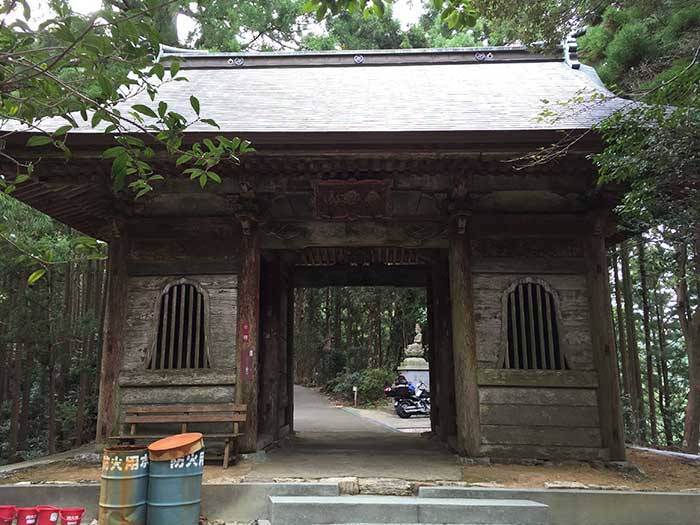
The gate of Tairyū-ji appears almost suddenly out of the mountain road, rising from the trees where you least expect it.
That first glimpse, after the long climb, makes the heart lift.
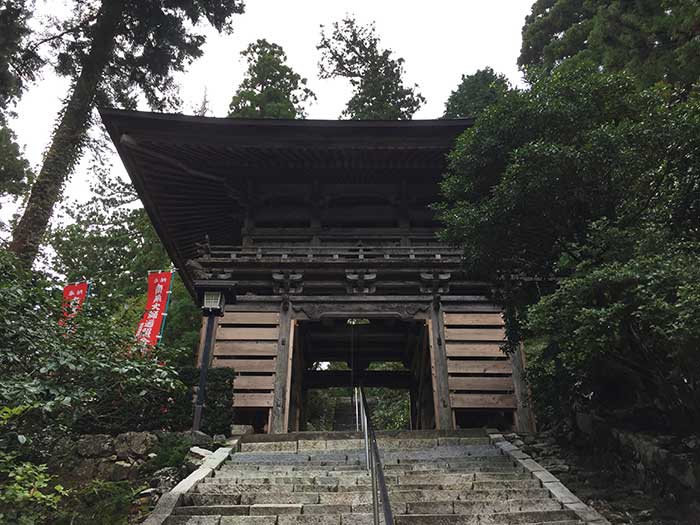
Going on a little further, a second gate comes into view at the top of a flight of stone steps.
The layered approach draws you steadily deeper into the temple’s quiet world.
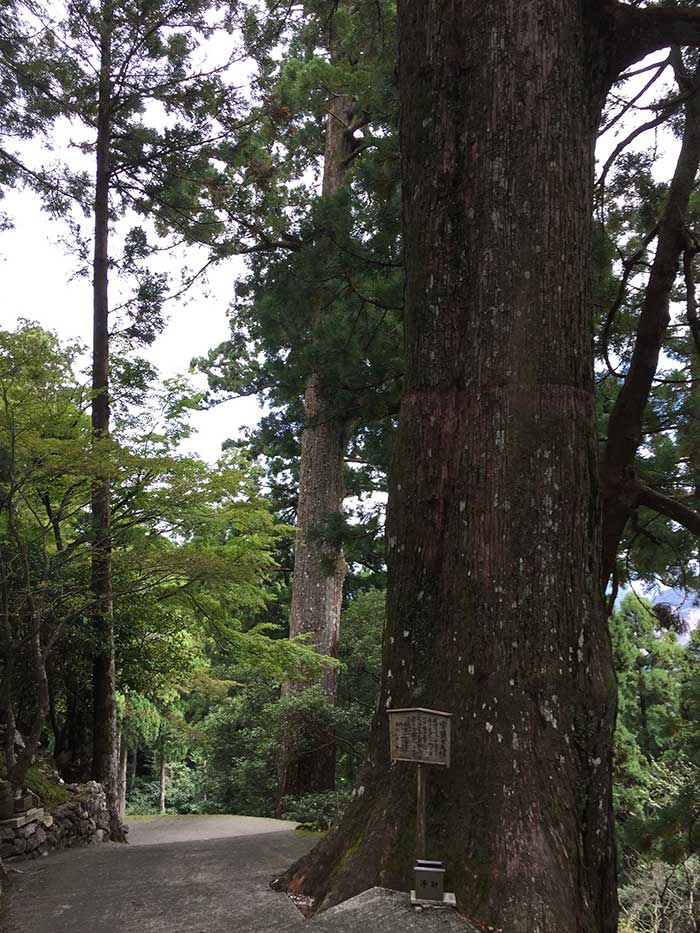
Along the path to the temple stood a great tree that looked as though it might be a thousand years old.
Among such ancient cedars, the whole mountain feels weighted with centuries of devotion.
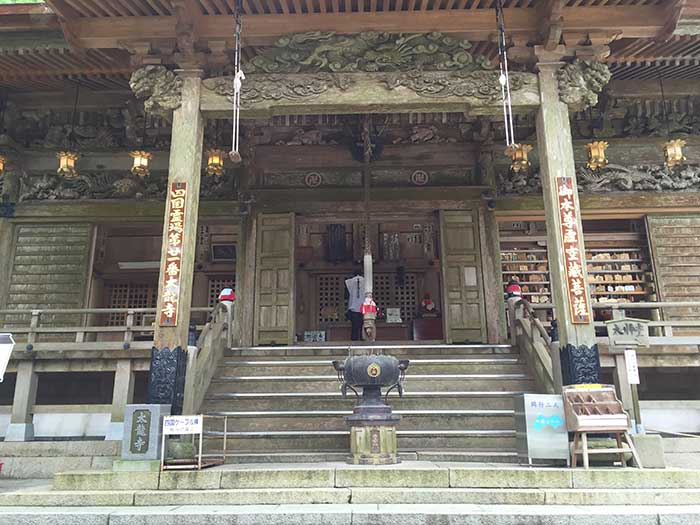
This is the main hall, where Kokūzō Bosatsu is enshrined. It is a hall in which the aged, beautiful grain of the timber can really be felt.
This is the deity to whom the young Kōbō Daishi devoted his famous hundred-day practice on the mountain nearby.
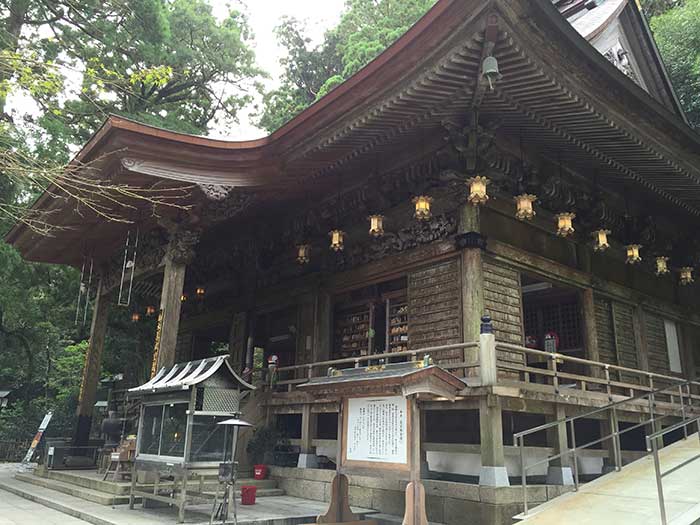
Seen from the side, the main hall is strikingly large and magnificent.
Its scale is a reminder of how revered this remote mountain temple has long been.
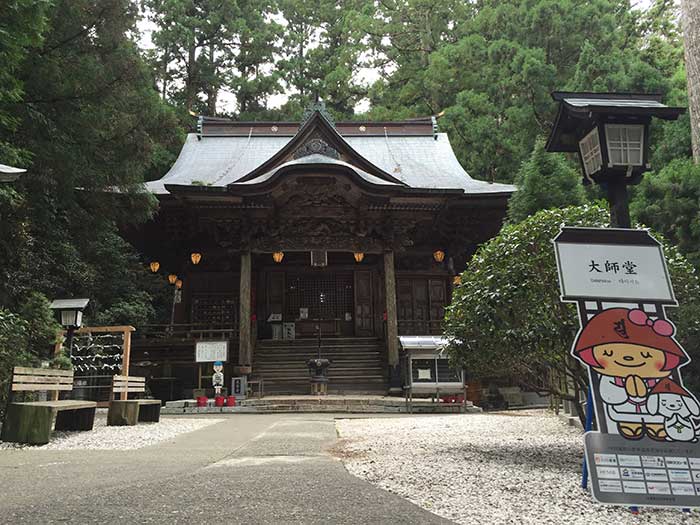
This is the Daishi-dō, which sits beautifully against the trees behind it. Here I recited the sutra while praying for the happiness of all and for peace in the world.
It is said a dragon protected Kōbō Daishi during his training here, and that legend gives the hall its quiet power.
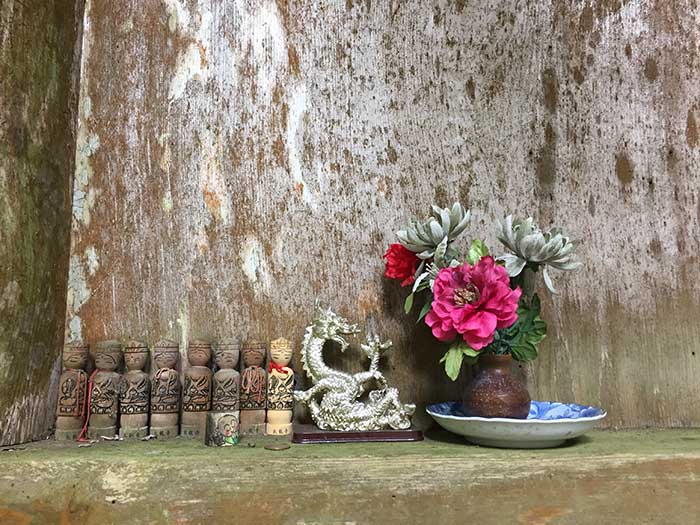
A small Jizō and a dragon had been offered at the side of the temple.
Such small dedications, left by countless hands, add their own warmth to the grand old grounds.
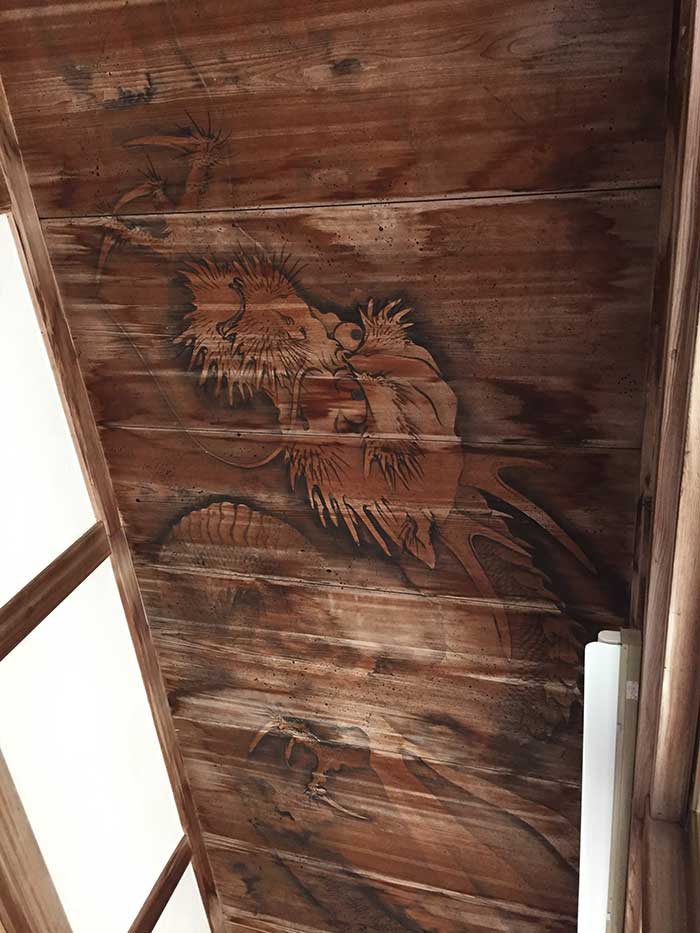
A dragon is painted across the ceiling boards, a work full of spirit and a real sense of movement.
Standing beneath it, you feel the energy the artist poured into every coil and scale.
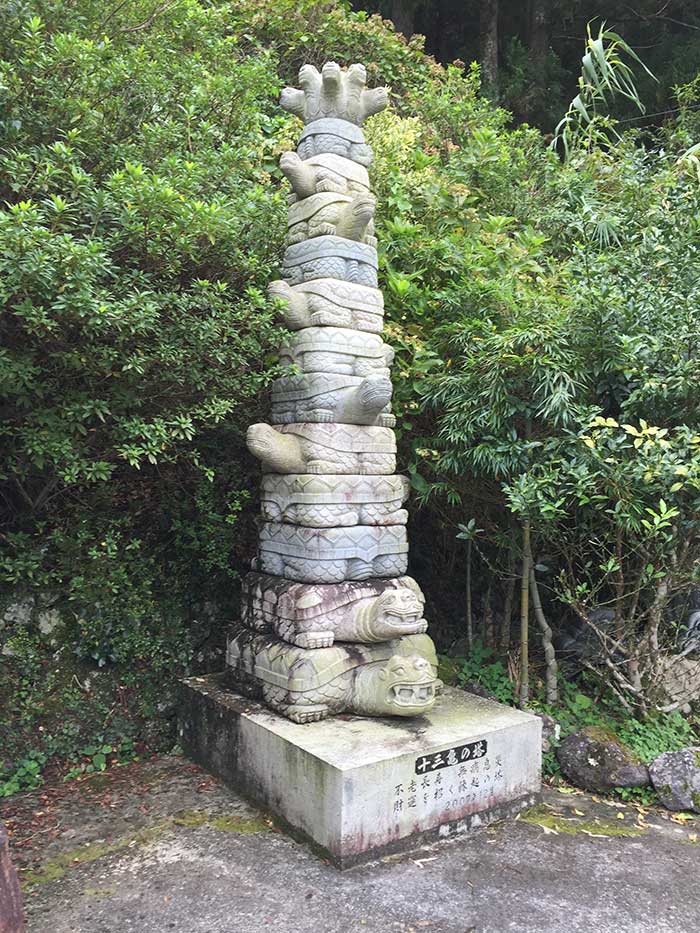
I came upon a carved column of thirteen turtles stacked one upon another, said to be auspicious for longevity and good fortune — rather like a totem pole.
It was an unexpected and charming sight to end the visit on.
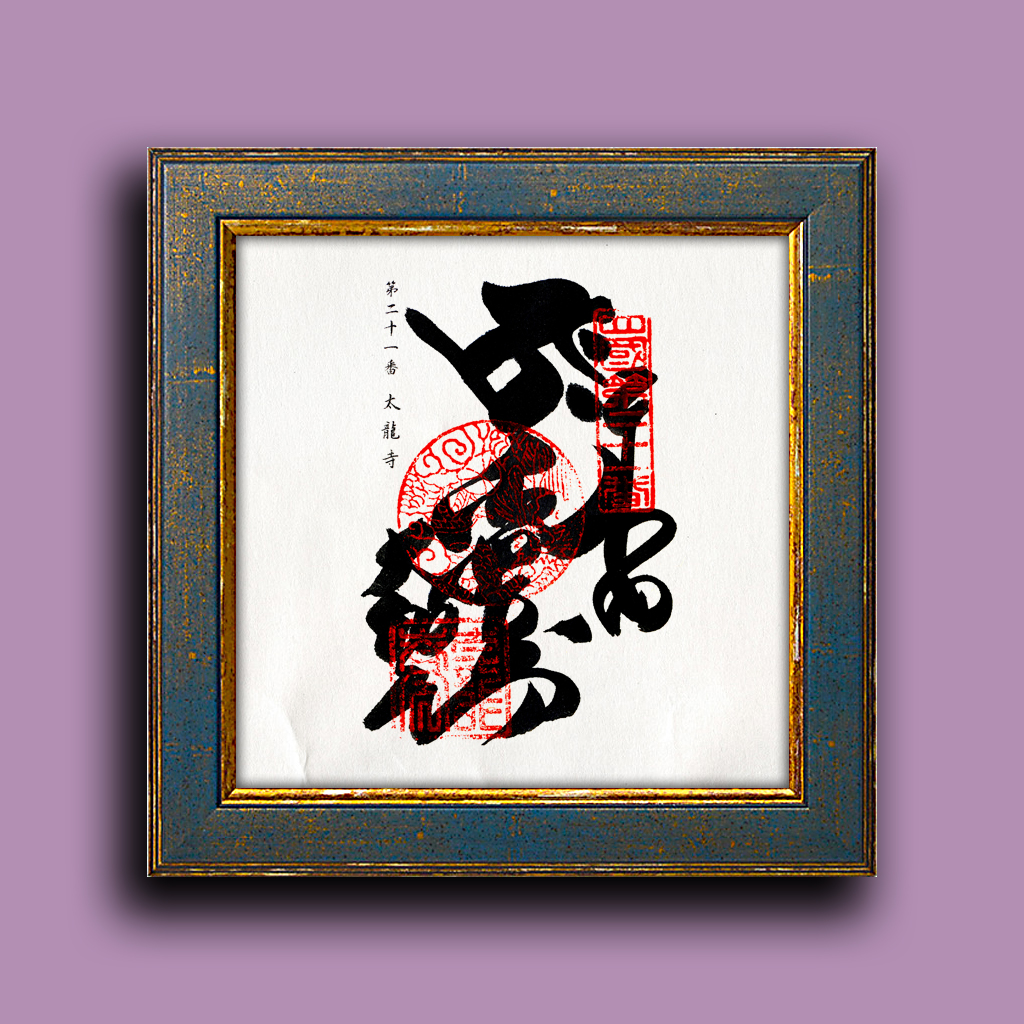
NFT – Crypto Ohenro #68 Goshuin of Tairyū-ji(太竜寺) –
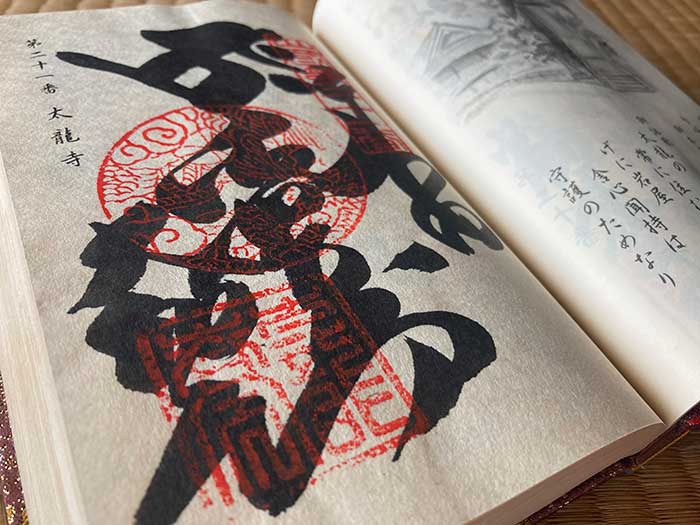
This is the goshuin of the twenty-first temple, Tairyū-ji. The thick, powerful characters are a model of fine calligraphy.
Twenty temples still remained on my journey — a satisfying round number to have reached.
The distance to the next temple was about 6.5 km, a steady descent through the cedars.
Frequently Asked Questions
What is the honzon (principal image) of Tairyū-ji (Temple 21)?
The honzon (principal image) of Tairyū-ji(太竜寺), Temple 21 of the Shikoku 88 pilgrimage, is Kokūzō Bosatsu(虚空蔵菩薩). It is enshrined in the temple's main hall (hondō), where pilgrims offer incense, recite the Heart Sutra, and receive the temple's goshuin (hand-brushed seal).
Where is Tairyū-ji located?
Tairyū-ji stands in Anan, Tokushima Prefecture, in the old province of Awa, on the island of Shikoku, Japan. It is the twenty-first of the eighty-eight temples of the Shikoku Henro, the circular Buddhist pilgrimage walked in the path of Kōbō Daishi (Kūkai).
Which Buddhist sect does Tairyū-ji belong to?
Tairyū-ji belongs to the Kōyasan school of Shingon Buddhism. Its mountain name (sangō), the traditional honorific title by which the temple is also known, is Shashinzan Jōju-in(舎心山 常住院).
When was Tairyū-ji founded?
Tairyū-ji was founded by Kōbō Daishi (Kūkai), early 9th century. Its history is closely tied to the early growth of the Shikoku pilgrimage.
Which temple comes after Tairyū-ji, and how far is it?
The next temple on the route is Temple 22, Byōdō-ji (about 11.7 km). Walking in numerical order, pilgrims continue from Tairyū-ji to keep visiting each of the 88 temples and collecting their goshuin.
📖 See the full list of all 88 Shikoku temples →
Can’t make the pilgrimage yourself?Ohenro Gift can walk the 88 temples on your behalf (daisan) and deliver the completed nokyocho.